Something shifted in Santa Marta last month — and for those of us working to put methane at the heart of the fossil fuel phase-out debate, it felt good.
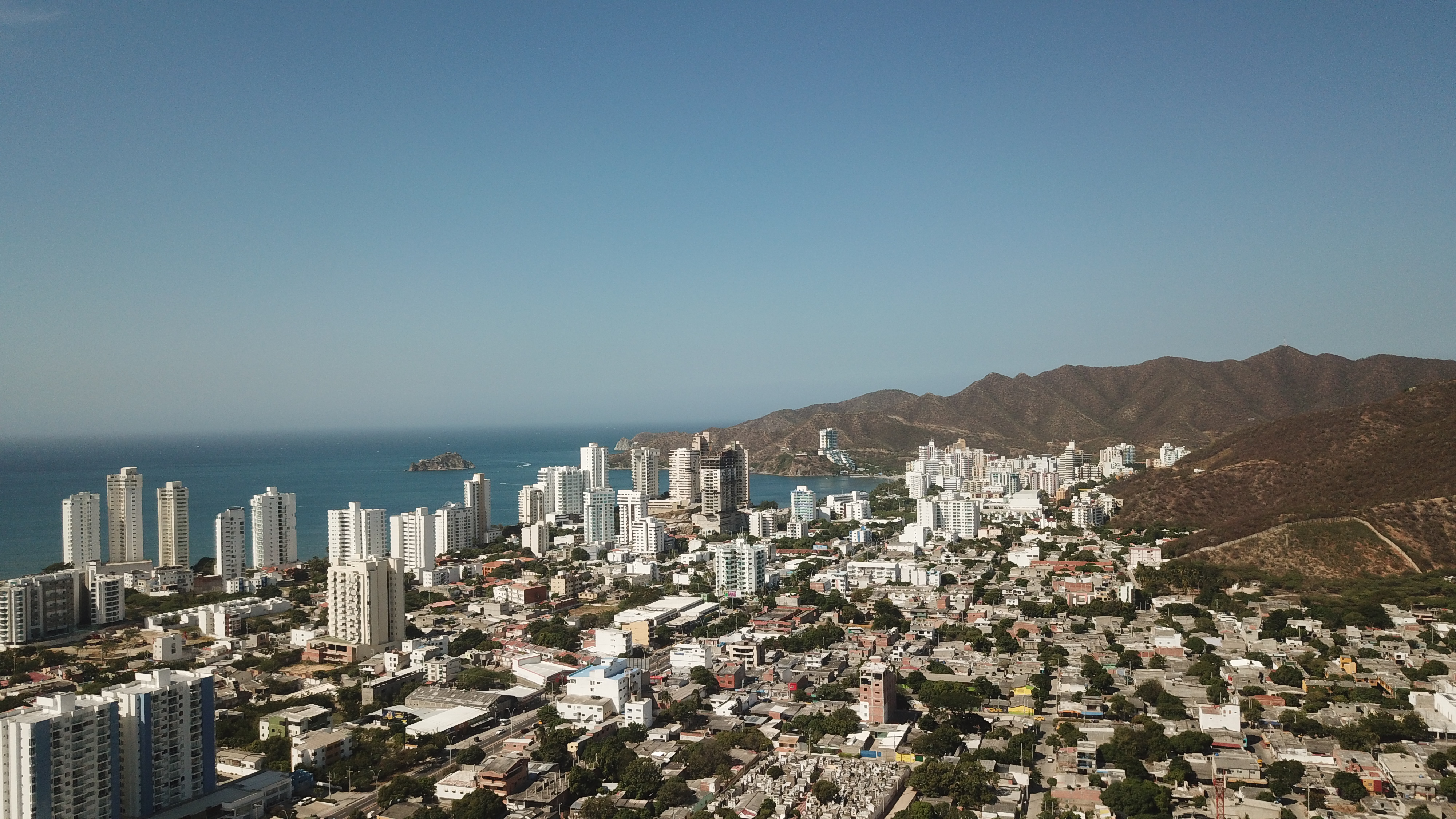
The First International Conference on Transitioning Away from Fossil Fuels brought 57 governments to the Colombian coast from 24–29 April. Born out of the frustration of COP30 — where a bloc of 80 countries tried and failed to get a formal fossil fuel “roadmap” into the outcome text — it was designed as a space for the “coalition of the willing”: countries ready to move, outside the gridlock of consensus-based UN negotiations.
Here’s what happened on methane.
The Santa Marta Methane Workstream
The summit began with a two-day science conference at the Universidad del Magdalena, which drew around 400 academics into 18 thematic workstreams. One of those was dedicated entirely to fossil methane, co-facilitated by Payal Parekh, PhD, and Anaid Velasco of CEMDA.
The workstream landed on three core arguments:
- Methane is the emergency brake. The science is clear, the technology exists, and cuts are cost-effective — with immediate public health benefits to boot. This isn’t a long-term planning question; it’s an emergency response.
- Voluntary pledges aren’t cutting it. The workstream called for binding, enforceable, sanctionable regulations — and financial accountability mechanisms that distinguish between the responsibilities of exporting and importing countries.
- Cutting methane must accelerate phase-out, not justify more drilling. Methane reduction is not a licence to keep extracting. The workstream explicitly named this.
Santa Marta also saw the launch of the Fossil Methane Circle, whose ask was concrete: explicit inclusion of methane in the high-level agenda.
Science Recommends Methane Cuts in Santa Marta
The broader science synthesis — the SMART report, led by Dr Friedrich Bohn of the Earth Resilience Institute — backed this up. Among its key recommendations: a ban on new fossil fuel infrastructure, accelerated electrification, and deep, legally binding cuts to methane emissions in the energy sector. Not a pledge. An obligation.
Brazilian climate scientist Carlos Nobre made the same point in an op-ed published ahead of Santa Marta, arguing that methane must be the “starting point” of the roadmap to end fossil fuels. While the final destinations and timelines for phasing out coal, oil, and methane are still being negotiated, Nobre wrote that science imposes one non-negotiable condition: any viable pathway must include drastic reductions in methane. Because methane is responsible for roughly a third of today’s warming and breaks down far faster than CO₂, cutting it now is the clearest way to slow warming this decade while the broader fossil fuel phase-out advances.
E3G’s post-conference assessment listed “legally binding methane reductions” among the systemic recommendations that emerged from the academic pre-conference. That language didn’t get there by accident. This gives the Santa Marta methane recommendations broader significance: they are not only technical proposals for methane management, but a science-backed first step for the TAFF Roadmap itself.
Methane in the Coverage
One goal in Santa Marta was to make methane visible. That started to happen.
Carbon Brief noted that the pre-conference workstreams included “fossil-fuel phaseout policies and the role of methane.” Climate Home News reported that academics called for action on methane as ministers debated the practicalities of phase-out. Methane also reached mainstream European audiences with Germany’s Tagesschau covering Santa Marta under the headline “The beginning of the end of fossil fuels”. The list of media switching away from “natural gas” continues to grow and grow.
This is not just semantics. Calling methane by its name exposes the climate harm hidden by industry language, and keeps fast methane cuts tied to the broader task of ending fossil fuel extraction and use.
What’s Next: Tuvalu and COP31
The most exciting development for methane may be what comes after Santa Marta. On the UNFCCC track, COP31 host Turkey is already talking about action on waste methane.
Tuvalu, a frontline Pacific nation with everything to lose from near-term heating, is already a leading voice for strong methane action, and has called for binding methane commitments, making it a natural ally for the road ahead.
The EU Methane Regulation, coming into effect, will publish a Methane Transparency Database later this year, ranking the methane intensity of all energy imports globally. That’s real regulatory architecture we can build on.
The Santa Marta Fossil Methane Circle
Santa Marta wasn’t going to deliver a binding methane agreement in one week. But it delivered a dedicated workstream, legally binding language in the scientific outputs, meaningful media uptake of our framing, and the establishment of a new group: the Santa Marta Fossil Methane Circle.
As four co-hosts, fifteen stakeholder groups and 57 countries try to figure out what’s next in the Santa Marta Process, the Circle will help make sure methane stays at the centre of the action.
As the process moves through Bonn, COP31, and on to Tuvalu, we’re not done yet. But Santa Marta was a real step forward.