
The United Nations Secretary-General has issued a major new call to action on methane, and the message is clear: the world has the technology, data, and financial capacity to cut methane pollution fast. What is missing is implementation at the speed and scale the climate emergency demands.
As the World Cup unfolds across three countries, 48 teams, and more than 100 matches, it reminds us that international coordination is possible when the world wants to cooperate. Shared rules, referees, deadlines, and scoreboards make the game work. Methane now needs the same discipline: clear standards, independent monitoring, mandatory response, and real consequences.
The report is blunt: methane is responsible for a large share of today’s warming and cutting it now is one of the fastest ways to slow near-term heating. As we dangerously push past 1.5 degrees, methane is no longer a side issue. It is the emergency brake.
It identifies fossil fuel operations as the most immediate opportunity for rapid, low-cost action. The tools already exist: fix leaks, ban routine flaring and cold venting, replace high-emitting equipment, tackle coal mine methane, and make emissions measurable, reportable, and verifiable. This is not a monitoring gap. It is an action gap.
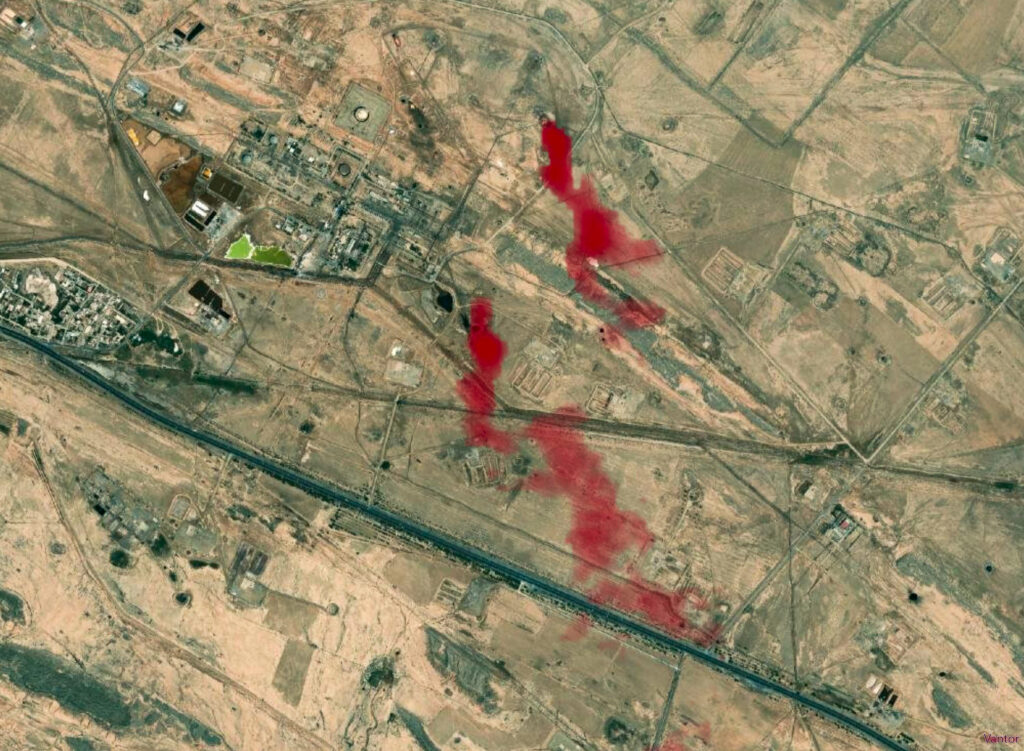
The report’s own numbers make that painfully clear. Satellites and UNEP’s Methane Alert and Response System can now identify major emissions events and alert governments and operators. By February 2026, the system had sent more than 5,000 alerts across 33 countries. Yet in 2025, the global response rate was only 12%.
Imagine a World Cup where the players only respond to the whistle 12% of the time. It wouldn’t work, but that is how methane is being treated, and António Guterres is right to call foul.
This is where civil society and academia are active. The Secretary-General’s call to action is backed by the same science and policy logic advanced through the Santa Marta methane workstream: no fossil methane emission should go unmonitored; governments should establish fines and fees; fossil methane cuts must be built into fossil fuel phase-out roadmaps; and voluntary pledges must evolve into binding commitments.
Civil society campaigns like the Methane Emergency Brake continue to drive ambition: mandatory methane measures, legally binding mitigation strategies, deep cuts this decade, and truthful reporting using the latest satellite and on-site data.
Willing partners are already moving from analysis to implementation through the Santa Marta methane workstream and the Fossil Methane Circle, which just hosted its first workshop on creating a Zero Methane Technical Standard at London Climate Action Week.
The UN Secretary-General has made the case clear. The leaks are visible. The solutions are available.